Automotive
A Hygiene-Compliant Lifting System for a Food Processing Line
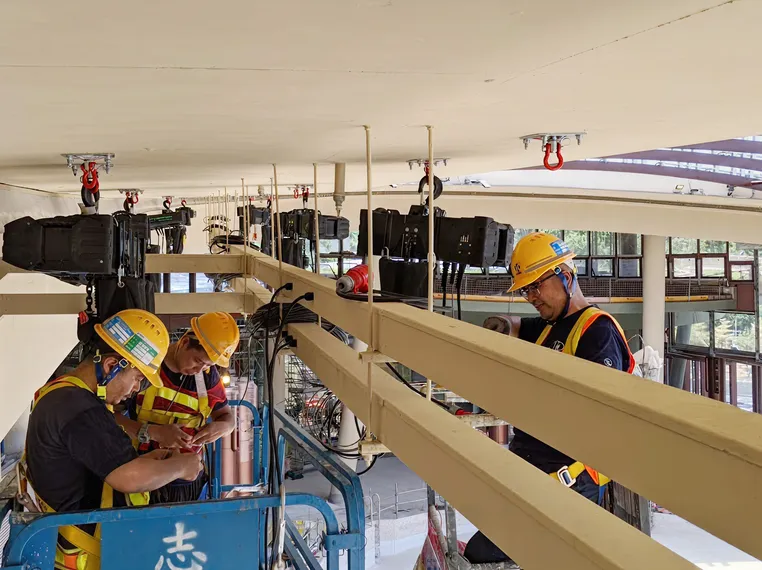
Verlinde delivered an all-stainless-steel hoist solution that meets food-grade hygiene standards, allowing continuous operation within a high-care production setting.
Helicopters cannot always lift themselves. Verlinde hoists, installed by Handel Sollevamenti, make it possible to carry out maintenance on the Elifriulia fleet with total safety. It's natural to assume helicopters can always lift themselves without assistance, no matter how tough the operating conditions. Yet from time to time, they too need a bit of “help” before they're ready to fly. Elifriulia, Italy’s oldest operator in helicopter services and flight training, shares its story.
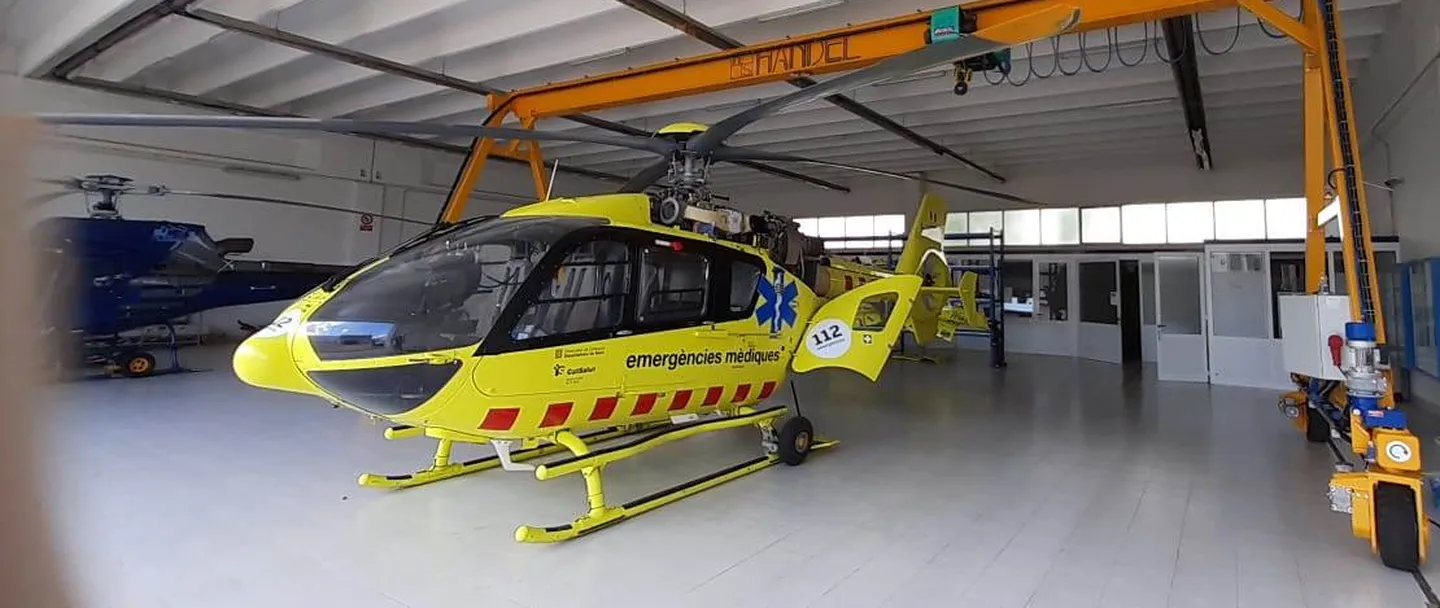
Established in 1971, Elifriulia is Italy’s oldest helicopter service provider and ranks among the country’s five largest helicopter operators. Its work spans helicopter services, search and rescue missions, forest-fire prevention and firefighting, aerial operations, maintenance, passenger transport, aerial photography and flight training.
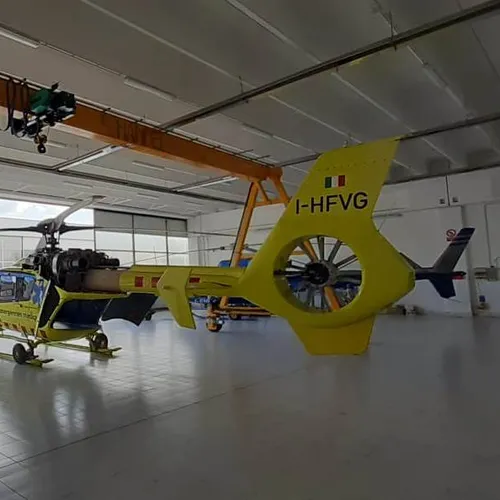
To streamline helicopter maintenance work, especially tasks involving the engines positioned beneath the blades at the top of the aircraft, Elifriulia needed a structure that would cut down on the need to remove engines for certain recurring maintenance jobs.
The lifting solution also needed to meet tight dimensional limits. The smaller maintenance hangar's entrance is just 40 cm wider than the helicopter blades' diameter, and its door stands only a little taller than the helicopter's maximum height. Accurate, dependable movement was therefore critical.
"We deliver helicopter services to private clients, major corporations and public authorities alike, working in a highly demanding and competitive market where our aircraft must stay perfectly efficient and be maintained to the strictest international standards at all times."
Claudio Girardi, Maintenance Manager at Elifriulia
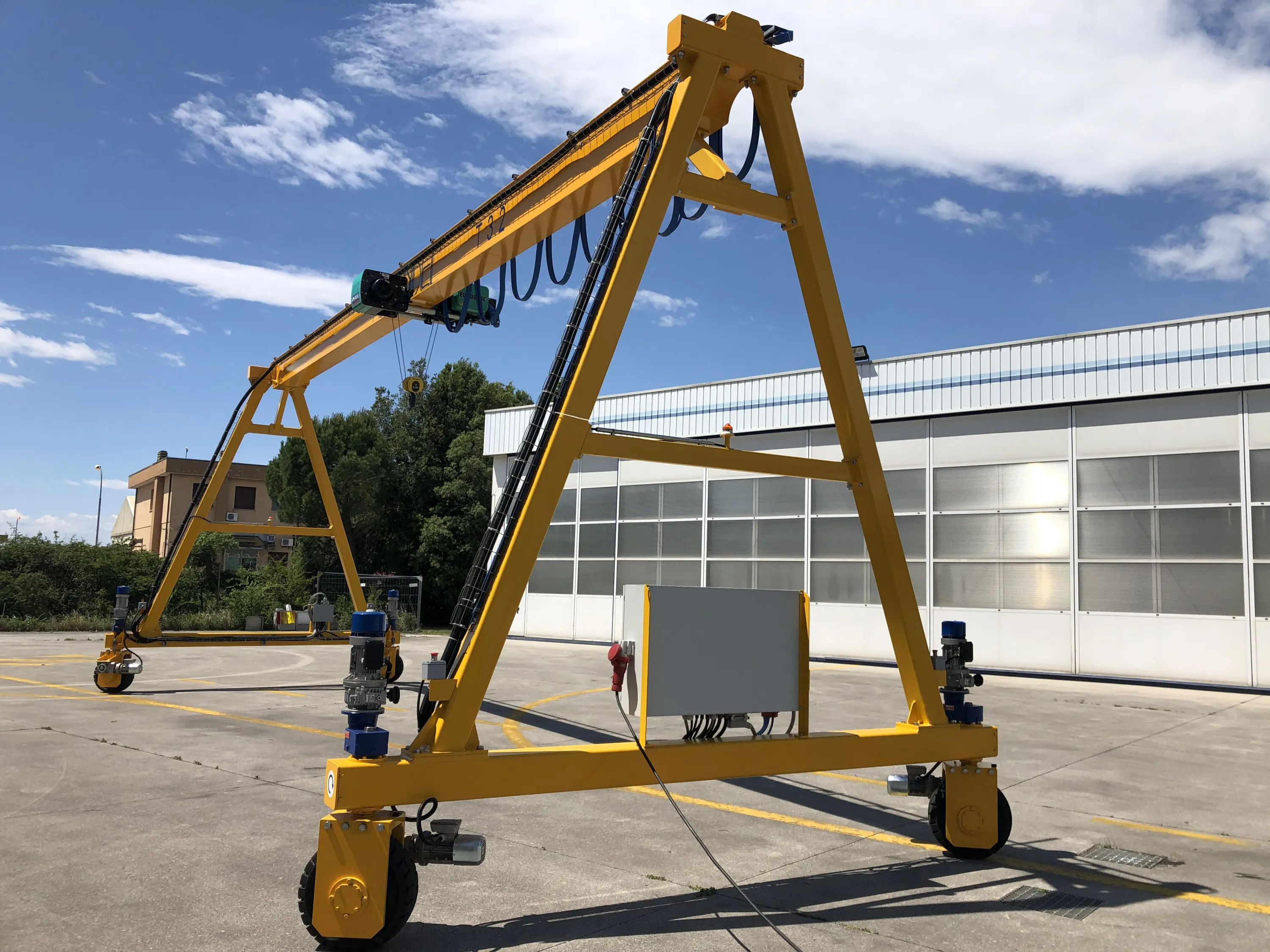
After inspecting and analysing the situation together with Elifriulia’s technicians, Handel Sollevamenti designed a gantry crane mounted on steerable wheels. The structure runs on eight motors in total, four handling rotation and steering and four handling movement between hangars.
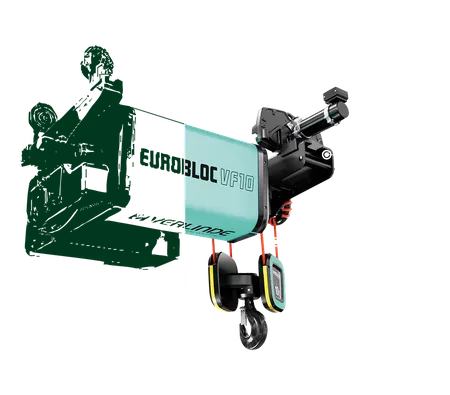
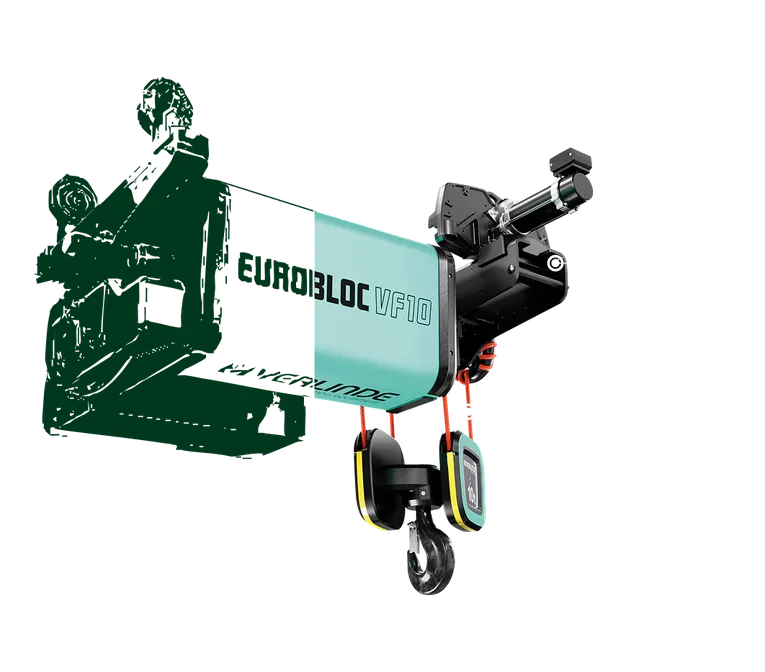
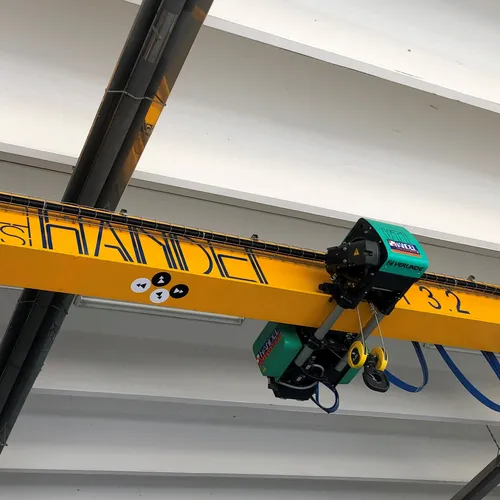
The gantry crane was fitted with a Verlinde Eurobloc VT electric wire rope hoist rated at 3,200 kg. This hoist was chosen for its reliability and low lifting speed, which helps prevent handling mistakes during helicopter maintenance work.
The entire structure runs on radio control. A set of PLCs relies on drives and encoders fitted to the motors to deliver precise steering, letting operators rotate and position the gantry crane accurately for various maintenance tasks.
“The facility Handel Sollevamenti built for us has fully lived up to our expectations, supporting our maintenance work so we can offer customers a helicopter fleet running at the highest levels of efficiency. We were equally impressed by Handel's expertise, both in customising the structure and in selecting components of proven quality and reliability — the Verlinde hoist being a prime example.”
Claudio Girardi, Maintenance Manager at Elifriulia
Streamlined handling procedures for helicopter maintenance
Accurate movement inside the maintenance site's tight spatial limits
Radio-controlled operation that simplifies positioning and manoeuvring
Lifts securely up to 3,200 kg while keeping its lifting speed to a minimum
Some recurring maintenance tasks performed without having to dismantle the engines
Receive Verlinde's newest product launches, certifications and industry updates straight to your inbox.
Verlinde delivered an all-stainless-steel hoist solution that meets food-grade hygiene standards, allowing continuous operation within a high-care production setting.